


🌍 What’s New: Coca‑Cola’s Surprise — Sustainable Packaging Update for 2025
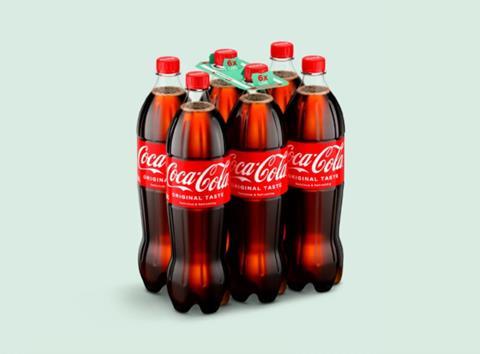
Coca-Cola HBC — the bottling/packaging partner of Coca-Cola — has rolled out a new sustainable-packaging solution named “Lift Up” which could significantly change how multipacks are packaged and carried. (Bangla news)
✅ What is “Lift Up” Packaging?
-
New Handle System Instead of Plastic Shrink-wrap: Lift Up replaces the usual plastic shrink-wrap used on multipacks (e.g. 1.5 L bottles) with a cardboard handle that keeps bottles together and lets consumers carry packs without plastic film. (Bangla news)
-
Fully Recyclable Cardboard + Fiber-Based Design: The handle and supporting packaging materials are fiber-based and recyclable — part of Coca-Cola’s global push to reduce single-use plastic waste. (Bangla news)
-
Reduction of Plastic Waste: According to Coca-Cola HBC’s estimates, eliminating shrink-wrap from multipacks via Lift Up could reduce around 200 metric tons of plastic per year, for the unit lines where it's implemented. (Bangla news)
🌱 Wider Context: Coca-Cola’s Sustainability Commitments
-
The wider sustainability framework under World Without Waste aims to make 100% of primary packaging recyclable globally, and to increasingly use recycled material (rPET, recycled glass/aluminum) in bottles, cans, and packs. (Coca-Cola Company)
-
As of 2024, Coca-Cola reports that ~99% of its primary consumer packaging was recyclable worldwide — a notable increase from earlier years when the figure was lower. (Yahoo Finance)
-
The company also aims to scale up recycled-content use, targeting 35–40% recycled material in primary packaging by 2035 (vs older goals of 50% by 2030) — a recalibrated but still ambitious sustainability roadmap. (Coca-Cola Company)
✨ Why This Move Is a “Surprise” — And What’s Significant
-
Replacing obvious plastic with more visible, recyclable cardboard — For a giant beverage brand long associated with plastic bottles and shrink-wrap, the shift to a fiber-based multipack handle is a visible sign of change. It challenges consumer expectations: instead of hidden sustainability tweaks, the change is obvious at first glance.
-
Potential to Influence Industry Standards — If Lift Up proves scalable and accepted by consumers, it could push other beverage companies to follow, leading to major reductions in plastic packaging across the soft-drink industry.
-
Bridging Sustainability & Usability — The design tries to preserve convenience (easy carryability) while reducing environmental impact. That balance matters for mass-market adoption.
-
Signaling Progress (and Constraints) — While Plastic use remains high, and Coca-Cola scaled back some earlier ambitions (like 50% recycled content by 2030), this update shows incremental — but tangible — progress. It reflects the complexity of sustainability in large-scale consumer goods: technical feasibility, supply-chain limits, regulatory and recycling infrastructure all matter. (Packaging Dive)
✅ What It Means for Consumers & Environment
-
Less plastic waste — Multipacks with paper-based handles and no shrink-wrap directly cut down on single-use plastic film.
-
Easier recycling / circular packaging — Cardboard handles and fiber-based packaging are more readily recyclable in many regions.
-
Awareness & Behavior Shift — This visible change may encourage consumers to think more about packaging waste and choose products with sustainable packaging.
-
Potential Industry Impact — If rolled out widely, could drive other brands and manufacturers to innovate toward more sustainable pack solutions.
🔎 What to Watch Next — Key Questions & Challenges
-
Scale and Roll-out: The “Lift Up” packaging is currently being tested (e.g. in Austria and some European markets) (Bangla news). Whether Coca-Cola can scale this globally — especially in markets with high demand — remains to be seen.
-
Recycling Infrastructure: For fiber-based packaging to make an impact, effective collection and recycling systems must be in place — that varies widely by country/region. (Coca-Cola)
-
Sustainability Trade-offs: While switching shrink-wrap to cardboard reduces plastic waste, the environmental footprint of fiber production (forestry, transport, energy) must be managed. Full life-cycle assessments will matter.
-
Consumer Acceptance: Multipack stability, packaging convenience (carry, shelf life), and price may influence whether consumers accept the new packaging — no matter how sustainable.
Source: